Dasa’s War Party
The Glass Bead GameDasa’s War Party is the majority faction at Dasa’s court during a period of repeated border raids and military preparations. Led by Pravati and Gopala, it rejects Dasa’s preference for peace through conciliation and territorial concessions, making the dispute a conflict over how to protect the kingdom and its people.
Formation and Membership
The faction takes shape as raids and breaches of peace continue along the frontier. Dasa, distressed by the fighting and its consequences, proposes asking a neighboring prince to mediate and offering some pastures and villages to secure peace. Pravati and Gopala will not support this course. By the time the rainy season temporarily interrupts the raids, the court has divided into two parties: Dasa’s small peace party, joined by only a few older Brahmans, and the larger war party of Pravati and Gopala, supported by most of the priests and all the army officers.
Dispute over Peace and Concessions
Pravati argues that the hostile neighbor would exploit Dasa’s willingness to compromise, demanding successive concessions of territory and population before renewing open warfare once Dasa’s position had weakened. Her concern is the survival of the whole kingdom, not the merits of particular herds or villages. In the quarrel, she also insists that Dasa must understand what he owes to his dignity, his wife, and his son. Her impassioned argument makes the disagreement personal as well as political: although Dasa sees conciliation as a way to end needless killing, Pravati treats compromise as a danger to the family and the country.
Policy and Consequences
The war party’s influence is visible in the kingdom’s preparations. The country arms itself while the neighboring power does the same; the chief huntsman trains Prince Ravana in archery, and Pravati brings her son to troop inspections. The faction’s position thus links the court’s strategic response to the education and public role of the heir.
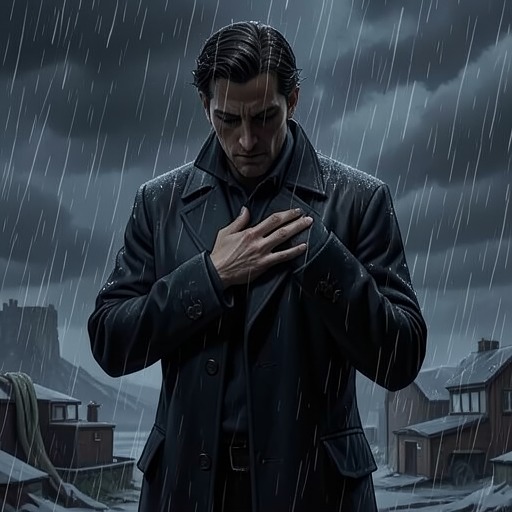
The conflict leaves Dasa seriously estranged from Pravati. He grieves over the continuing violence and the loss of the peaceful life he had hoped to preserve, while the war party’s majority makes his preference for negotiation politically isolated. The raids subside only temporarily with the rainy season, so the faction’s policy debate remains bound to an unresolved external threat rather than a settled peace.